Kitchen Floor Remodel for Long Island Homeowners
The kitchen is used more often, has more spillages and is the wettest room in the house. When it’s time to remodel, it’s not only about appearance; it’s about selecting a material that can withstand heat, moisture, and foot traffic without a problem and will work with the home’s style. A kitchen floor remodel presents its own real-world issues when undertaking the project, particularly for Long Island homeowners in older colonial or cape cod-style homes.
This guide explores the most frequently asked questions homeowners encounter, and contrasts the choices of floor types that would work best in active Long Island kitchens.
Why Kitchen Flooring Needs Special Consideration
As opposed to a bedroom or living room, a kitchen is constantly at the mercy of water, grease, dropped items and heavy appliances. The tile that shines in a show home might not be as resilient in the kitchen or bathroom, where a sink, dishwasher or stove can be the cause of wear and tear. When homeowners are considering remodeling, they want to think about durability and safety as much as they think about style.
Water and Moisture Resistance
Moisture resistance is one of the most important features to consider with a flooring choice, as moisture is a frequent issue in kitchens, with spills, leakages from dishwashers and refrigerators, and humidity being a common problem. Porcelain tile and luxury vinyl plank is waterproof, and it can accommodate the majority of spills experienced on a day-to-day basis. Although beautiful, solid hardwood can be more susceptible to water damage and must be cleaned up promptly and carefully sealed if employed in a kitchen.
If you own a home on Long Island and near the coast, it is important to use one that can withstand the changes in humidity that occur throughout the year, which can help save you from expensive future repairs.
Durability for Daily Foot Traffic
Kitchens are high traffic areas and require floor surfaces that can resist the repeated movement of people, dropped pots and pans and the odd dragged chair. Both tile and vinyl plank is highly resistant to scratch and impact, making them good choices for busy households. The hardwood can scratch more easily, but can be refinished if any scratches become noticeable over time.
Heat Exposure Near Cooking Areas
Common concerns include dropped pots, spilled hot liquids and general heat near the stove. Tiles are very resistant to heat and will not warp or fade. When planning the layout, it is important to consider vinyl flooring’s susceptibility to heat damage and how it can be affected by extended contact with direct heat.
Slip Resistance and Safety
Kitchens are often slippery and greasy, and slip resistance is a safety concern, particularly if there are children or elderly individuals in the home. Many types of tile textured and some vinyl finishes have non-slip surfaces; other finishes are polished or shiny, which can become slippery when wet.
Budget and Renovation Timeline
The cost is a primary factor that homeowners consider, and will vary depending on the materials used, the kitchen size, and if the subfloor needs to be repaired. Vinyl plank is often the most economical choice because it can be installed in less time than tile and hardwood options, which are more costly due to their complex installation.
Older homes on Long Island can have an irregular subfloor that must be leveled prior to installing a new flooring material, which can lengthen and increase the expense of a project. An estimate that accurately reflects the work that may be required, including the possibility of subfloor tearing, will prevent any budget surprises during the remodel.
Matching Style with Function
In addition to durability, the key thing homeowners want from a new kitchen floor is that it fits the cabinets, countertops and neighboring living areas, particularly in open floor plans prevalent in newer homes on Long Island. With vinyl and porcelain tile, homeowners can achieve wood-look qualities in an array of finishes, offering a stylish, but functional option that doesn’t sacrifice either form or function.
Comparison Table: Kitchen Flooring Options
| Factor | Porcelain Tile | Luxury Vinyl Plank | Solid Hardwood |
| Water Resistance | Excellent | Very good | Poor to moderate |
| Heat Resistance | Excellent | Moderate | Good |
| Scratch/Impact Resistance | Very good | Good | Moderate, repairable |
| Slip Resistance | Good (textured finishes) | Good | Moderate |
| Installation Cost | Higher | Lower to moderate | Higher |
| Maintenance | Grout cleaning required | Low maintenance | Periodic refinishing |
| Best For | Heavy-use kitchens, families | Budget-conscious remodels | Open-concept, resale-focused homes |
Choosing the Right Fit for Your Home
While there is no one right answer, the best type of flooring to use depends on the layout of your kitchen, your daily routine, and your renovation budget.
- For durability, heat resistance and longevity, consider porcelain tile.
- Opt for luxury vinyl plank if you’re looking for an affordable, easy-to-care-for flooring that is highly water resistant.
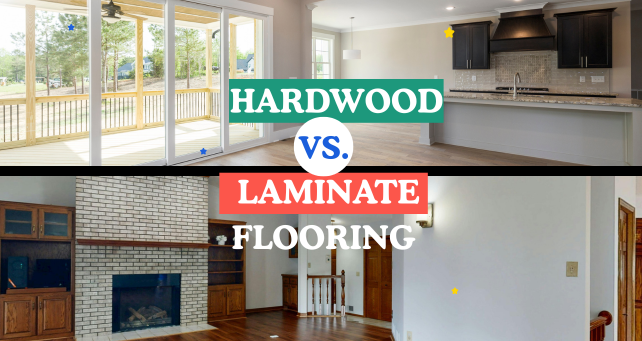
- If your kitchen leads into an open floor plan living room and consistency is important, and if it’s important for resale value, then hardwood is a good choice.
Conclusion
One of the most significant renovations you can complete in your home is a kitchen remodel, both for its everyday usability and valuable investment. Taking into account your household’s needs, combined with water resistance, durability, and cost, you will be able to determine which material is right for you. Older Long Island homes: If the condition of the sub-floor needs to be considered, it is better to do so at a very early stage in planning, rather than later in the planning process when it is discovered and can cause further delays and expenses.
Looking to get your kitchen floor painted? Call us today for a free consultation, and our Long Island flooring experts will help you determine which material is best for a kitchen that is both beautiful and functional.
Frequently Asked Questions
Water resistant and durable materials such as porcelain tile or luxury vinyl plank are great options, while hardwood looks good in open concept spaces.
The time can range from 3-7 days depending on the project, although if subfloor work is required in older homes the time may be longer.
Most luxury vinyl plank is water resistant, but not waterproof, so it is a great option for kitchens where there are frequent spills.
Yes, but it will need to be properly sealed and cleaned up of any spills to not warp over time.
Older homes may have uneven subfloors, so it is advisable that an inspection be done prior to installation to prevent any surprises during the process.