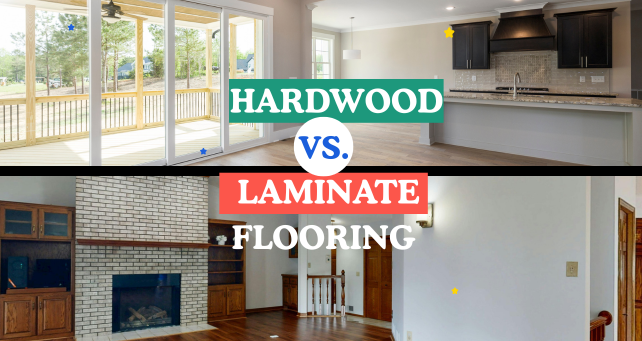
Hardwood vs Laminate Flooring: Best Choice for long island Homes
When a home owner is renovating their home, making a choice on new floors is one of the most important decisions they will have to make. There are a couple more layers of complexity to the choice for Long Islanders. How a floor performs over time is related to the coastal climate, older housing stock and seasonal humidity swings. There are two of the most popular options, hardwood vs laminate flooring, and the choice will rely on your home, budget, and lifestyle.
This guide will help you understand the actual differences between hardwood and laminate flooring and the issues that most Long Island homeowners have about them.
Why Climate Matters More Than You Think
The humid summers and cold winters on Long Island continually stressed the flooring materials. Solid hardwood is a natural material and absorbs moisture from the air. In wet months, boards can swell slightly, but in winter when it’s dry they can shrink and create small crevices. This change is more likely to be seen by homeowners who live close to the ocean or in older homes where there are no modern vapor barriers.
On the other hand, laminate flooring has a synthetic core and a wear layer. Moisture resistance is better than in most situations with solid hardwood, but standing water may still cause damage to the core material over time. Lower levels or basements that are prone to moisture problems often do better with laminate (or engineered hardwood as a compromise).
Budget: Upfront Cost vs Long-Term Value
The price is frequently a key consideration and price difference between the two materials can be substantial.
While the initial materials and installation costs for hardwood may be higher, it is essential to hire a professional to install and finish the wood properly to maintain its integrity. Laminate is produced to make it easier to install, typically reducing labor costs and project timelines.
However, hardwood tends to have better long-term value. Laminate cannot be refinished and will need to be replaced when worn out, whereas wood can be sanded and refinished many times during its life. If homeowners are planning on living in their home long term, hardwood can pay for itself. If you’re looking to save some money or need to remodel your home sooner, laminate can provide a significant amount of savings without compromising on the design.
Durability for Pets, Kids, and Everyday Life
One of the noticeable difference is that a floor is subjected to heavy wear during family life and this is where the two materials differ dramatically.
Laminate is a good option for busy households as it is engineered to withstand scratches caused by claws, toys and dropped objects. Hardwood is more susceptible to scratching and denting, particularly in hallways and living rooms. The plus side is that whenever hardwood gets a scratch or dent, that can likely be sanded out while damaged laminate planks will probably need to be replaced as the pattern layer can’t be fixed.
Maintenance and Everyday Upkeep
Laminate offers very little maintenance: it can be swept and blotched with damp mops when needed, and looks like new all the time. Hardwood requires a little more maintenance, such as refinishing every few years, and needs to be kept away from water accumulation on the surfaces as well.
Laminate is attractive for homeowners seeking a less labor-intensive alternative without sacrificing a sophisticated look. Hardwood is still a great investment for people who are willing to do some maintenance on the tree if they don’t mind and if they want to invest in something that can be improved instead of just thrown away.
Home Value and Resale Considerations
Navigating the real estate market on Long Island can be competitive and the right flooring can make a difference to the buyer. Many people consider solid hardwood to be a luxury and can enhance the value of a home, especially in the many colonial and cape cod homes in the area that feature original wood floors. Its appearance has come a long way and, while not always as good as wood grain, high-quality laminate can be quite close, but appraisers and buyers generally consider laminate to be inferior to solid hardwood.
Hardwood is generally more likely to be a good investment if it will be resold. In the case of a quick remodel that needs to be done before selling or renting, laminate can still help to create a fresh, modern appearance.
Comparison Table: Hardwood vs Laminate Flooring
| Factor | Hardwood Flooring | Laminate Flooring |
| Average Cost | Higher upfront cost | Lower upfront cost |
| Moisture Resistance | Sensitive to humidity and standing water | More moisture-resistant, not fully waterproof |
| Durability (Scratches/Dents) | Prone to visible wear, but repairable | Scratch-resistant, but not repairable |
| Maintenance | Periodic refinishing required | Low maintenance, easy cleaning |
| Lifespan | Decades, with refinishing | 15–25 years, no refinishing option |
| Best For | Living rooms, bedrooms, resale-focused remodels | Basements, family rooms, budget-conscious projects |
| Resale Value Impact | Generally higher | Moderate, improving with quality options |
Which Option Fits Your Long Island Home?
There isn’t a clear-cut right answer, as the best flooring choice is dependent on the location of the flooring and the most important factors to your family.
- If you’re in a main living space, you’re looking to sell, or you have an older home, you want to keep your existing wood floors intact, consider a hardwood floor.
- If you need a long-lasting material for your home with pets and children, or you’re on a budget, laminate might be the ideal finishing for your basement.
- If you’re looking for the aesthetics of solid hardwood, but have greater moisture resistance than solid wood, engineered hardwood is a middle ground choice.
Either hardwood or laminate floor can be a good choice for Long Island homeowners.
Conclusion
depends on your needs, budget, and expectations. Hardwood products are timeless and have a higher resale value, while laminate provides practical durability and maintenance at a lower cost.
Either option will work in within the walls of your home, and with an experienced local flooring remodeler, the material will be installed properly for Long Island’s environment, safeguarding your investment for years to come.
Looking for a new set of floors? Give us a call now and we will send a representative to your home for a no-cost, no-obligation floor consultation so we can help you determine what flooring is best for your home.
Frequently Asked Questions
Yes, laminate is more moisture resistant than solid hardwood, so it is suitable for use in a coastal location with a high level of humidity.
All things being equal, a hardwood has more resale value, particularly in older colonial and cape cod homes on Long Island.
Laminate is a good choice for households with pets and children since the surface is highly resistant to scratching.
Hardwood material and refinishing may be more cost effective over the life of the floor, although the initial cost of hardwood and laminates may be comparable.
No, laminate cannot be sanded or refinished and damaged planks will usually need to be replaced entirely.