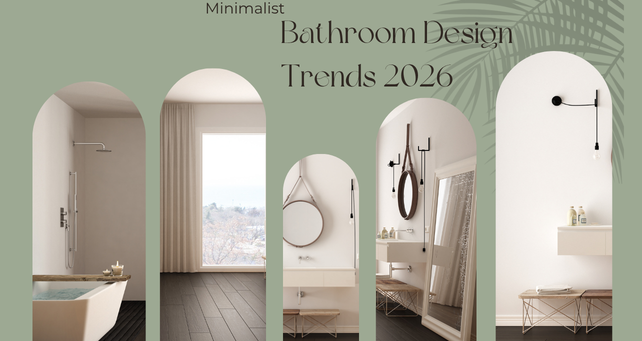
Bathroom Design Trends 2026 in Long Island
Your bathroom is not just a place to go to the bathroom. It’s a place to relax at night and a way to get your day off to a quiet start. That’s why it’s important that you know what are the latest bathroom design trends before you begin your bathroom renovation project on the Long Island area. They are looking for a home that looks up to date, comfortable and adds real value to their home.
This guide will help you understand the design trends that will define bathroom design in 2026, what works for homes on Long Island, and how you can achieve these concepts without going over budget.
Why Bathroom Trends Matter More Than Ever
Now the bathroom is a space that homeowners are not only using for what it’s meant to be used for, but are also looking at as a space they would like to use. They regard it as their own haven. This evolution is a key reason why many people are now more interested in bathroom remodeling that is both comfortable and healthy — and stylish — as opposed to just comfortable or just healthy.
It’s not like no one else has a cold, all white bathroom tile or a bathroom configuration that feels too small. Many Long Island houses were constructed many years ago and the bathrooms are outdated to today’s lifestyle. The bright side is that you don’t need to tone down your home to make it look new, provided you know what trends will work in your home and what your budget will allow.
Top Bathroom Design Trends to Know
1. Warm, Earthy Color Palettes
Cool grays and stark whites are taking a back seat. These days, homeowners love soft shades of beige, warm shades of taupe, and earthy hues inspired by clay for a relaxed, spa-like atmosphere. These darker hues also help to camouflage water spots and everyday use as opposed to shiny white surfaces, which can be helpful in a high-traffic family bath.
2. Natural and Tactile Materials
The warm woods, natural stone and textured tile can add interest and warmth to a cold and clinical room. This trend works well with older Long Island homes with classic architectural elements, as natural materials work in harmony with one another.
3. Spa-Style Showers
Walk-in or curbless showers are still taking the place of tub and shower units. They are sophisticated, more spacious and suitable for homes that are likely to be lived in by their residents until they die. This trend is also beneficial for Long Island bathroom design, as it makes smaller spaces appear larger.
4. Floating Vanities
Having a floating vanity will help to take the weight of the bathroom off the floor, and even a small bathroom will look larger because of it. Cleaning is also easier, a minor but real benefit for every member of the family who is pressed for time.
5. Layered Lighting
Homeowners today are not just using one overhead light, but a blend of vanity, recessed and backlit lights. This allows for task lighting when grooming and provides ambient lighting for soaking in the bath.
6. Smart Storage Built Into the Design
It’s no longer “storage as an afterthought. Everything is planned from the start, such as recessed shelving, built-in cabinets, and built-in niches, so the bathroom stays organized and doesn’t get cluttered.
7. Sustainable, Low-Maintenance Choices
A growing expectation is for water-saving features and sturdy, easily cleaned surfaces. So homeowners want their bathroom to look great for years and years, not just season to season.
What This Means for Long Island Homes
Older residential homes on Long Island have their special features: older plumbing, smaller original bathroom layouts and town-specific requirements. What works for a magazine won’t necessarily work for a 1960s split level in Nassau or a colonial in Suffolk County.
For this reason, local expertise is important. A contractor who knows the bathroom design of Long Island can help you utilize a spa style shower to fit a smaller space, understand the magazine, and make sure your project doesn’t waste time making its way through town permit offices. Here also as well as anywhere else, budget is playing a real role, as the cost of renovations on Long Island are often more expensive than the national average, so getting an accurate estimate and itemized breakdown of all the costs up front will save you from any surprises later.
How to Choose the Right Bathroom Remodeler
When looking for the best bathroom remodelers Long Island, you’ll need to perform a few simple checks. Seek out a licensed and insured contractor who will be able to display recent work in your area, rather than pictures of generic projects. Request a written, detailed quotation that includes separate costs for labour, materials and permits. Request at least two or three quotes, so you can make an informed comparison, and inquire about what their policy is when they discover hidden water damage or outdated wiring in the home, which are common problems found in older homes.
A reliable contractor will not pressure you to buy the most expensive. Rather they’ll guide you through what will work in your space, your family’s needs, and your financial means and the “why” of each recommendation.
Why Homeowners Choose Us
We’ve been assisting Long Island homeowners for years in remodelling old bathrooms to become spaces they can use on a daily basis. We know the unique issues that face remodeling in this region, including town permits, and the unique layouts found in older homes. No hidden fees, no hidden costs, we give you clear and honest estimates, ensure quality materials and provide you with updates throughout the project. From a simple refresh to a spa-style bathroom, we aim to create a space that is in line with design trends and within your budget and timeframe. Once you are ready to proceed with your remodel, we make it easy from initial consultation to a walk-through.
Bringing It All Together
The bathroom design trends for 2026 will focus on comfort, warmth, and personalization. Homeowners want a room that feels like a retreat, not a utility room and they want the room to be built with materials that last. In the case of Long Island residences, however, the key to success is selecting trends that work with the house’s design and age, partnering with a contractor who knows local permits and costs, and establishing a realistic demolition budget beforehand.
If you have been considering a bathroom remodeling trends refresh, the moment may be appropriate to get started. While it may take longer times and require more demand in spring and summer, planning in the off-season could offer you more flexibility and a better chance to get the contractors you need.
Ready to Start Your Bathroom Remodel?
It’s possible to get a beautiful, functional bathroom without having to do it all on your own. Give us a call today to learn more about how the newest bathroom design trends can be a part of your home, and receive a complimentary consultation. We’ll stroll your room, hear your goals, and provide you with an honest and transparent roadmap to achieve them. Give us a call today and get your free quote and start the process towards having the bathroom you have always dreamed of.
Frequently Asked Questions
Warm color palettes, natural materials, curbless walk-in showers, floating vanities, and layered lighting are leading the way in 2026. These trends focus on making the bathroom feel like a calm, spa-like retreat rather than a purely functional space.
Costs vary based on the size of the bathroom, the materials chosen, and the scope of work, and they typically run higher than the national average due to local labor and permit costs. Getting a detailed, itemized quote from a local contractor is the best way to get an accurate number for your specific project.
In most cases, yes, especially if the project involves plumbing, electrical work, or structural changes. Permit requirements and processing times vary by town, so it’s best to confirm this with your contractor before work begins.
A standard bathroom remodel usually takes a few weeks from start to finish, though this depends on the scope of the project and permit approval times. Planning during the off-season can often lead to a faster timeline due to lower contractor demand.
Look for a licensed, insured contractor with recent local project examples, transparent written estimates, and clear communication about timelines and potential issues. Comparing a few quotes and asking detailed questions upfront helps you find a team you can trust with your home.